
In WP(C) No. 213 of 2023 -MEGH HC- Although there is no specific period of limitation prescribed for matters under Article 226, yet writ court does not support someone who has slept over his perceived rights: Meghalaya High Court
Chief Justice Sanjib Banerjee & Justice W. Diengdoh [20-07-2023]
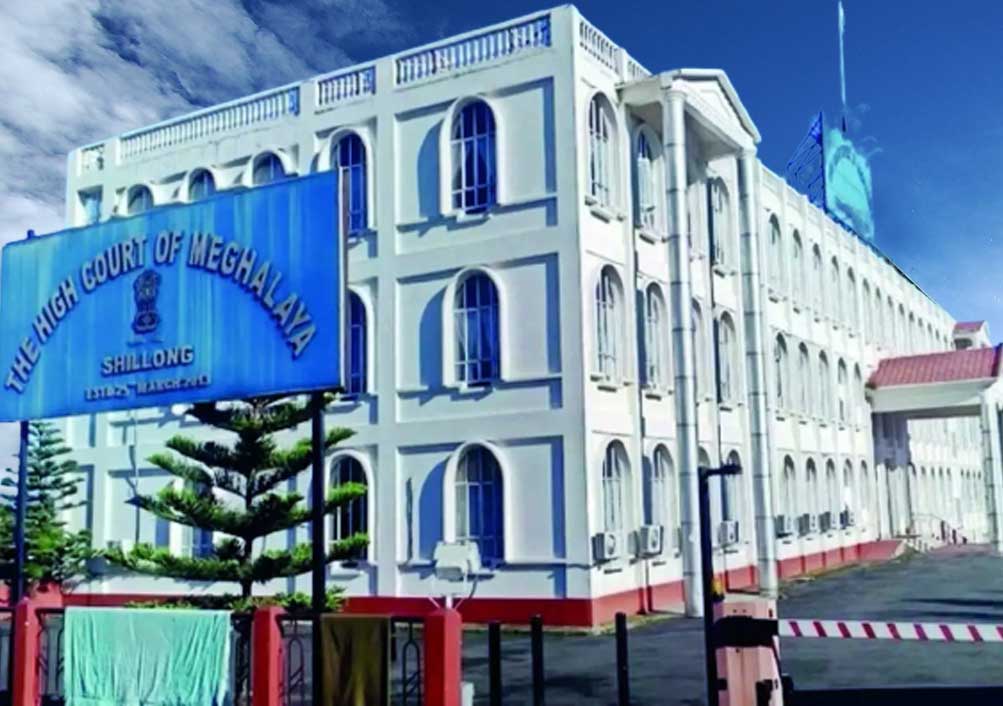
Read Order: M/s Amjok Auto Agencies vs The Deputy Commissioner, CGST, Shillong Division -I
Chahat Varma
New Delhi, August 9, 2023: The Meghalaya High Court has dismissed the writ petition filed by M/s Amjok Auto Agencies (petitioner), stating that although there is no specific period of limitation prescribed for matters under Article 226 of the Constitution of India, yet the writ court does not come to support a laggard or someone who has slept over his perceived rights.
Briefly stated, the petitioner in this case had claimed that the bank account number mentioned in the attachment order belonged to Amjok Auto Agencies, not Bhalang Associates. However, it was revealed that the partner filing the petition was associated with both Bhalang Associates and Amjok Auto Agencies. The main argument raised by the petitioner was that neither Bhalang Associates nor its partners received the order-in-original dated August 14, 2020, which led to the issuance of the attachment order and labelling the petitioner as a defaulter.
The bench comprising of Chief Justice Sanjib Banerjee and Justice W. Diengdoh observed that the order-in-original was issued following a show-cause-cum-demand notice on November 8, 2019, which the petitioner responded to on December 9, 2019. The bench emphasized that the petitioner and its partners should have reasonably been aware that after receiving the show-cause notice and responding to it, an order would be issued, either dropping the demand or finding the assessee liable, in whole or in part. Therefore, it would not be acceptable for the petitioner to claim that they had no obligation to keep track of the matter or be unaware of the consequences of the show-cause notice.
Since the writ petition was filed by a different partnership firm with a common partner, the allegation that the petitioner did not receive the order-in-original was not considered. The bench also noted that if the petitioner had not received the order, they should have promptly made a representation when they received the notice of attachment on September 27, 2022.
Based on these reasons, the bench decided not to entertain the petition, allowing the petitioner and its officers to take appropriate legal steps as per the law.
Legitquest is a Legal-Tech venture run by a versatile team of tech-savvy attorneys, engineers and designers who aim to make the practice of law simpler for its end users. We have eminent jurist Mr. Ram Jethmalani as our patron

Add a Comment